Acorn Poetry Festival
11-12 June 2022 (10am - 5pm BST each day), via Zoom
A nourishing online celebration of poetry with recitals from 20 leading poets including Gillian Clarke, Tishani Doshi, Matt Harvey, Ben Okri, Ruth Padel, Rowan Williams and many more.
Buy tickets and view timetable here.
About the poets
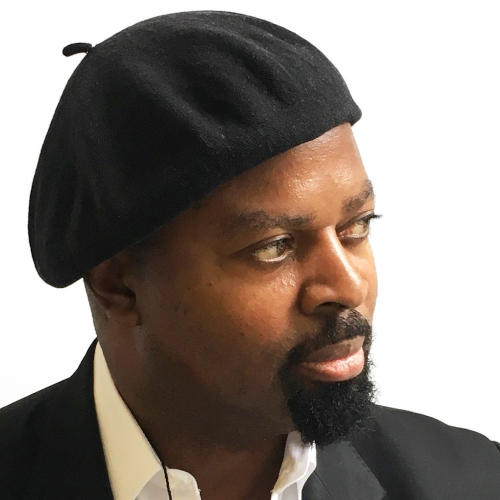 Ben Okri OBE FRSL is a poet, playwright and novelist. His many books include The Famished Road (Cape, 1991), which won the Booker Prize for Fiction. He has published eleven novels, four books of short stories, two collections of essays and three volumes of poems, and his works have been translated into 27 languages. His books have won numerous international prizes, including the Commonwealth Writers Prize for Africa, the Paris Review Aga Khan Prize for Fiction, the Chianti Ruffino–Antico Fattore International Literary Prize, and the Premio Grinzane Cavour Prize. The recipient of many honorary doctorates, Ben also is a vice-president of the English Centre of PEN International. He was presented the Crystal Award by the World Economic Forum for his outstanding contribution to the arts and to cross-cultural understanding. In 2019 his book Astonishing the Gods (Phoenix, 1995) was selected as one of the BBC’s 100 novels that shaped our world. Some of his most recent publications include The Freedom Artist (Head of Zeus, 2019) and a volume of short stories, Prayer for the Living (Head of Zeus, 2019). His latest book of poems, A Fire in my Head, was published by Apollo in January 2021, and his illustrated book for adults and children, Every Leaf a Hallelujah, was published by Apollo in autumn 2021. He is an Honorary Fellow of Mansfield College, Oxford. Ben was born in Nigeria and lives in London.
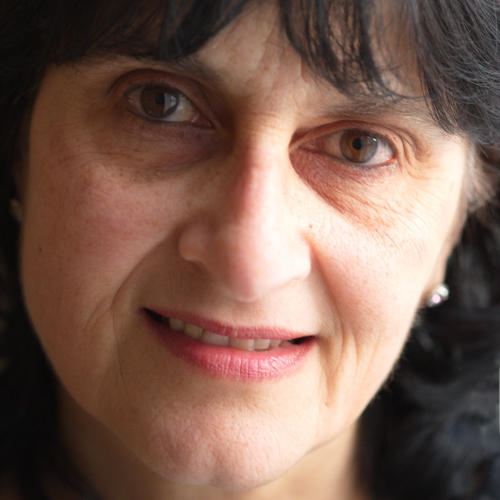 Moniza Alvi was born in Lahore to an English mother and a Pakistani father. She grew up in Hertfordshire. Her first collection, The Country at My Shoulder (Oxford University Press, 1993), was shortlisted for the T.S. Eliot Prize and the Whitbread Poetry Award and was selected for the New Generation Poets promotion. Europa (Bloodaxe, 2008) and At the Time of Partition (Bloodaxe, 2013) were both Poetry Book Society Choices and were shortlisted for the T.S. Eliot Prize. Her most recent poetry collections are Blackbird, Bye Bye (Bloodaxe, 2018), and Fairoz (Bloodaxe, 2022). She received a Cholmondley Award in 2002. After a long career as a teacher in a London comprehensive school, Moniza now lives in Norfolk, where she is completing a PhD at the University of East Anglia on the poetry of Stevie Smith.
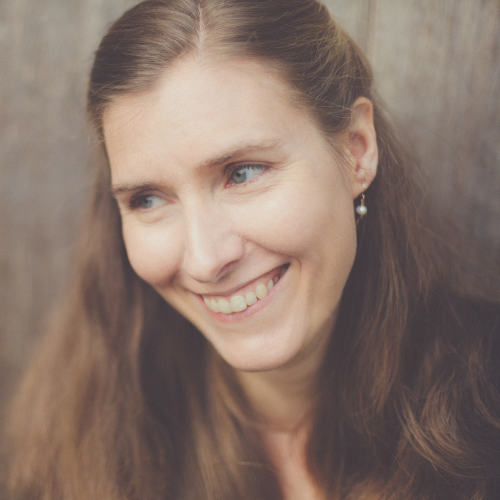 Fiona Benson won the Forward Prize for Best Collection 2019 for Vertigo & Ghost (Cape). Her first collection, Bright Travellers (Cape, 2014), won the 2015 Seamus Heaney Centre Prize for a First Full Collection and the 2014 Geoffrey Faber Memorial Prize. Fiona lives in Devon with her husband and their two daughters.
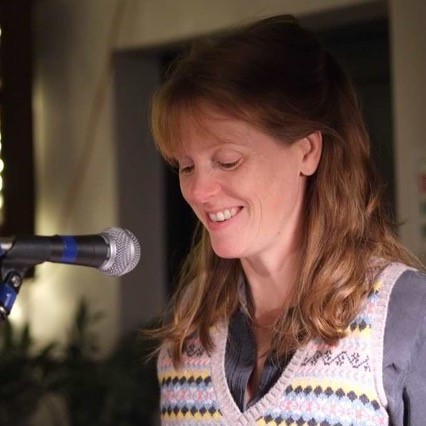 Kate Bingham is the author of two novels, several screenplays and three collections of poetry. Quicksand Beach (Seren, 2006) was short-listed for the Forward Prize for Best Collection, in 2006, and in 2010 ‘On Highgate Hill’ was short-listed for the Forward Prize for Best Single Poem. Her third collection is Infragreen (Seren, 2015). In 2020 New Walk published her pamphlet Archway Sonnets. She has lived near Hartland since the beginning of 2020.
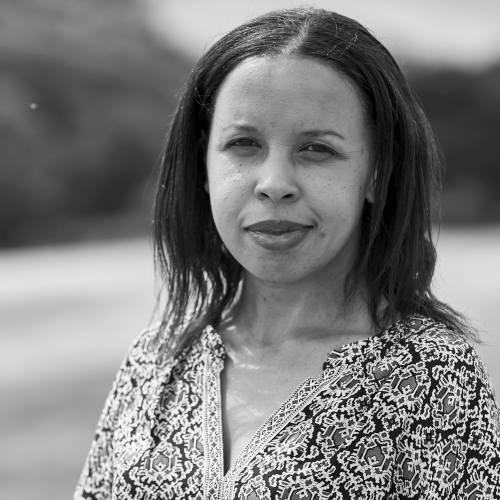 Elizabeth-Jane Burnett is an author and academic whose creative and critical work has a largely environmental focus. Publications include the poetry collections Of Sea (2021) and Swims (2017), both from Penned in the Margins, Nature-writing memoir The Grassling (Penguin, 2019), and monograph A Social Biography of Contemporary Innovative Poetry Communities: The Gift, the Wager, and Poethics (Palgrave, 2017). Elizabeth is a Leverhulme Research Fellow (2021–2), researching Creative Writing and Climate Change: Developing a New Wetlands Literature. She is a Nature diarist for Oh magazine and The Guardian, founder of Grow Your Own Creativity, and Associate Professor in Creative Writing at Northumbria University.
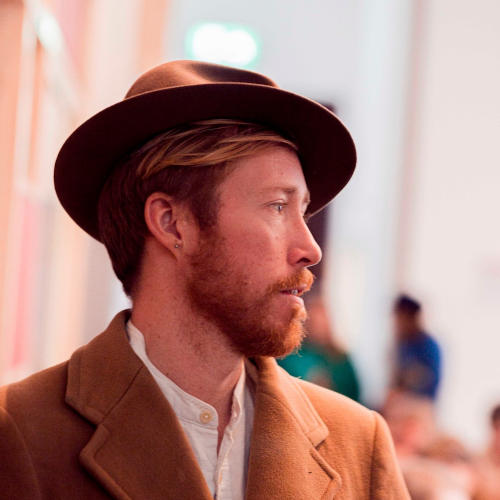 Dom Bury’s first collection, Rite of Passage (Bloodaxe Books, 2021), was longlisted for the 2021 Laurel Prize. Dom is the recipient of an Eric Gregory Award and a Jerwood/Arvon Mentorship. He won the Magma Poetry Prize, and was awarded second prize in the Resurgence Ecopoetry Competition. He has performed his work on BBC Radio 4 and at Aldeburgh, Ledbury and other poetry festivals.
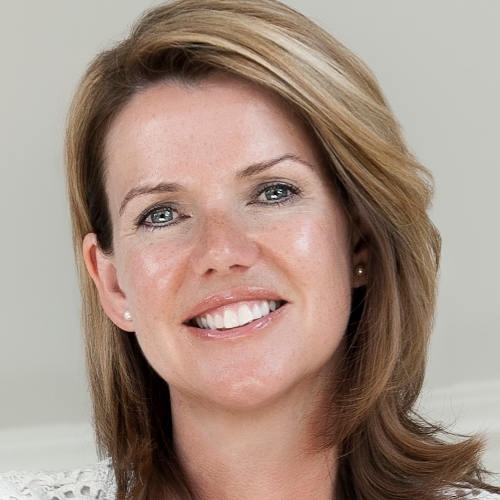 Paula Byrne is founder and lead practitioner of ReLit, the charity for literature and mental health. She is the author of seven highly acclaimed works of non-fiction, most recently The Adventures of Miss Barbara Pym (William Collins, 2021), which was a BBC Radio 4 Book of the Week and a Book of the Year in four national newspapers. Her first top ten bestseller was Perdita: The Life of Mary Robinson (Random House, 2005), which was longlisted for the Samuel Johnson Prize. Her debut novel, Look to your Wife, was published by William Collins in 2018, and Mirror Mirror (William Collins), her historical novel based on the life of Marlene Dietrich, appeared in 2020 and was subsequently reissued as Blonde Venus. Paula edited the Routledge Literary Sourcebook on Jane Austen’s Emma (2004), co-edited the poetry anthology for wellbeing Stressed, Unstressed: Classic Poems to Ease the Mind (William Collins, 2016), and is a regular reviewer for the Saturday edition of The Times. She was a judge for the 2018 Costa Book Awards and is currently writing a book about Thomas Hardy’s women and contributing the introduction to a new Penguin Classics edition of Brideshead Revisited.
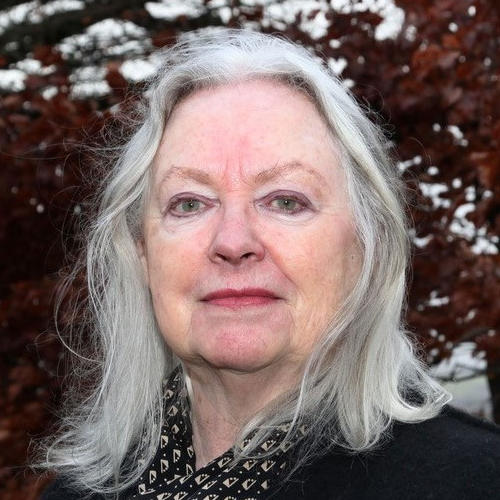 Gillian Clarke was born in Cardiff and lives in Ceredigion. Her work has been on the GCSE and A level exam syllabuses for over 30 years, and she performs her poetry regularly for student audiences at Poetry Live and in several European cities. She was awarded the Queen’s Gold Medal for Poetry in 2010 and the Wilfred Owen Poetry Award in 2012. Gillian’s prose works include a writer’s journal, At the Source (Carcanet, 2008). She has written radio and theatre drama and translated poetry and prose from Welsh. The Gathering/Yr Helfa, commissioned by National Theatre Wales, was performed on Snowdon in September 2014. Picador published Gillian’s Selected Poems in 2016. Her tenth collection of poems, Zoology, was published by Carcanet in 2017, and her version of the book-long 7th-century Welsh poem Y Gododdin was published by Faber in 2021.
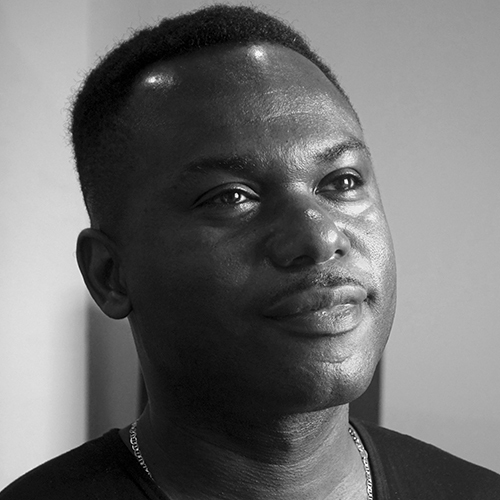 Jason Allen-Paisant is a poet and academic from a village called Coffee Grove in Manchester, Jamaica. He is a lecturer in Caribbean Poetry and Decolonial Thought in the School of English at the University of Leeds, where he is also director of the Institute for Colonial and Postcolonial Studies. His first poetry collection, Thinking with Trees (Carcanet, 2021), has been much lauded since its publication. Jason serves on the editorial board of Callaloo: A Journal of African Diaspora Arts and Letters. He holds a doctorate in Medieval and Modern Languages from the University of Oxford, and he speaks seven languages. He lives in Leeds with his partner and two daughters.
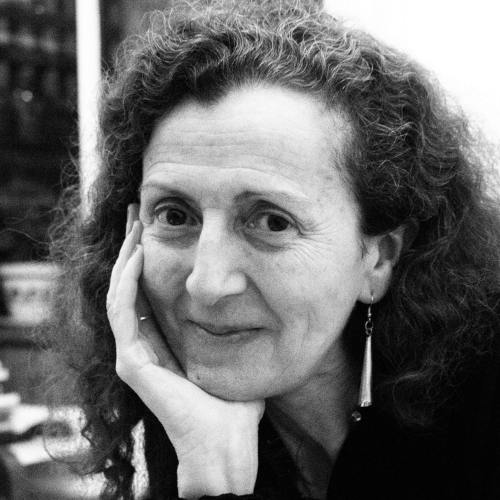 Maura Dooley’s most recent book (with Elhum Shakerifar) is a translation of verse by the Iranian poet Azita Ghahreman, Negative of a Group Photograph (Bloodaxe, 2018). Her last published collection was The Silvering (Bloodaxe, 2016). Maura teaches at Goldsmiths, University of London and is a Fellow of the Royal Society of Literature.
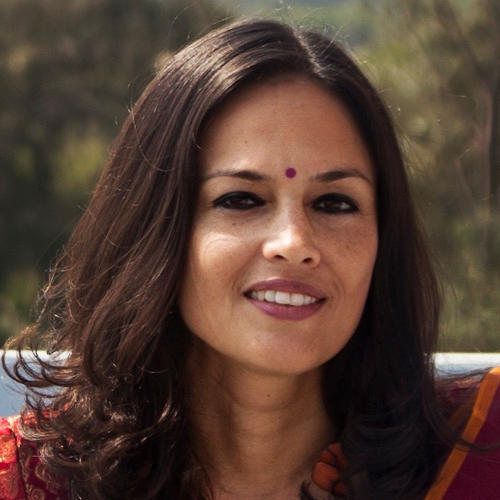 Tishani Doshi was born in the city formerly known as Madras. She has published seven books of poetry and fiction, and her essays, poems and short stories have been widely anthologised. In 2012 she represented India at a gathering of world poets for Poetry Parnassus at the Southbank Centre, London. Tishani is the recipient of an Eric Gregory Award and a winner of the All-India Poetry Competition. Her first book, Countries of the Body (Aark Arts), won the prestigious Forward Prize for Best First Collection in 2006, and Girls are Coming Out of the Woods (Bloodaxe, 2018) was shortlisted for the Ted Hughes Awards and Firecracker Award. Her debut novel, The Pleasure Seekers (Bloomsbury, 2010), was shortlisted for the Hindu Literary Prize and longlisted for the Orange Prize and the International IMPAC Dublin Literary Award. A God at the Door, her fourth full-length collection, published by Bloodaxe in 2021, was shortlisted for the Forward Prize for Poetry. Tishani is Visiting Associate Professor of Practice, Literature and Creative Writing at New York University, Abu Dhabi.
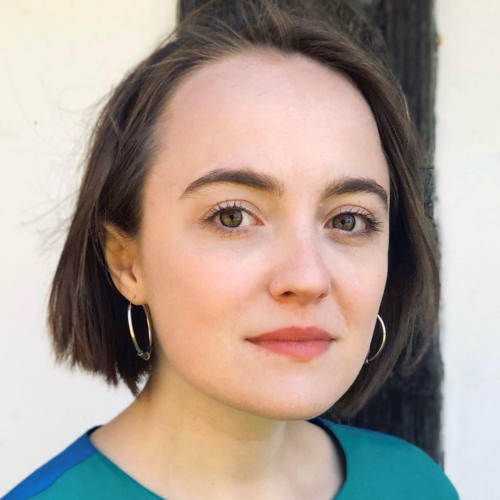 Ella Duffy is the author of two poetry pamphlets, New Hunger (Smith/Doorstop, 2020), and Rootstalk (Hazel Press), which was shortlisted for a 2021 Saboteur Award and was a 2020 Poetry School Book of the Year. Her work has appeared in Poetry Ireland Review , The London Magazine and The Rialto , among others. Ella was shortlisted for the 2020 Pat Kavanagh Prize and was the winner of the 2019 Live Canon International Poetry Competition. She was one of the winners of the Foyle Young Poets of the Year Award in 2010.
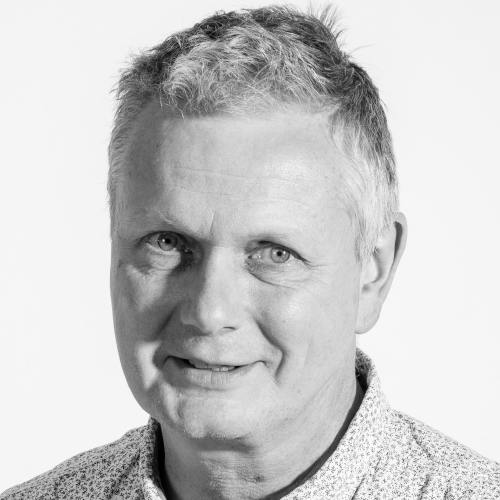 Matt Harvey, poet, lyricist and columnist, has been a familiar voice on BBC Radio 4 for two decades, has performed all over the country and has appeared frequently on television. During lockdown his Hi Corona Virus poem went viral and his collaboration with composer Thomas Hewitt Jones Can You Hear Me? reached no. 1 in the Classical Charts. Most recently Praise the Whale was a big hit at COP26, inspiring world leaders to reassess their core values. Matt’s books include The Hole in the Sum of My Parts (The Poetry Trust, 2005), Where Earwigs Dare (Green Books, 2010), Mindless Body Spineless Mind (Man in the Quote, 2012), and two picture books for children, Shopping with Dad (Barefoot Books, 2010) and Beastie and the Boys (The Quixotic Press, 2013). With composer Stephen Deazley he created A Little Book of Monsters and The Songbook of Unsingable Songs, and, with Thomas Hewitt Jones, The Same Flame and their first musical, Rumpelstiltskin. For three years he wrote the Desktop Poetry slot in The Guardian, and for even longer the Qwerty Something column for Resurgence. He was nominated for a P.E.A. Award for The Element in the Room (The Quixotic Press, 2014) – energy-inspired poems written while poet-in-residence with Regen SW. H Ain’t Heavy, inspired by green hydrogen, comes out this year. In collaboration with artist Claudia Schmid he published Sit! (Unicorn, 2019), and their new book, Careless Whisker, will be out by the time of the festival!
 Jane Lovell is an award-winning poet whose work focuses on our relationship with the planet and its wildlife. Her writing has been widely published in journals and anthologies in the UK and the US. Jane has won the Flambard Prize (2015), the Wigtown Poetry Prize (2018), the Geoff Stevens Memorial Prize (2020) and the Ginkgo Prize (2020). She has been shortlisted for several other literary awards, including the Basil Bunting Prize (2016 and the Periplum Book Award (2018), and in 2020 she was nominated for the Pushcart Prize. Her publications include Metastatic (Against the Grain, 2018), Forbidden (Coast to Coast to Coast, 2019), This Tilting Earth (Seren, 2019) and The God of Lost Ways (Indigo Dreams, 2020). Jane also writes for Dark Mountain, Elementum journal and Photographers Against Wildlife Crime. From 2019 to 2021 she was writer-in-residence at Rye Harbour Nature Reserve.
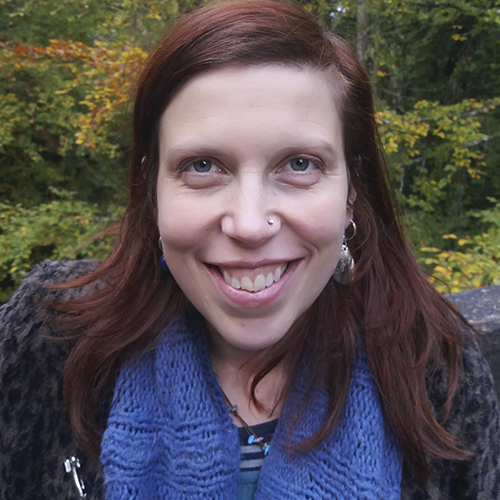 Helen Moore is an eco-poet, socially engaged artist and writer. She has published three eco-poetry collections: Hedge Fund, And Other Living Margins (Shearsman Books, 2012), ECOZOA (Permanent Publications, 2015) and The Mother Country (Awen Publications, 2019) exploring aspects of British colonial history. Helen offers an online mentoring programme, Wild Ways to Writing, and works with students internationally. In 2020 her work was nominated for the Forward and Pushcart Prizes and received grants from the Royal Literary Fund and Arts Council England. In 2021 she collaborated with Cape Farewell in Dorset on RiverRun, a project working with scientists and farmers to examine pollution in Poole Bay and its river systems, and to develop a creative response, which was shared via multimedia and live performance.
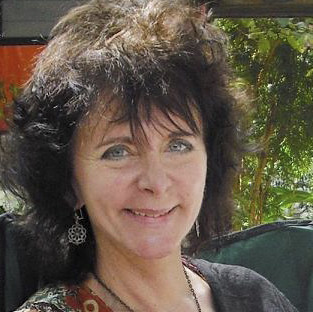 Ruth Padel is an award-winning British poet with close links to Greece, science and classical music, and to wildlife conservation in India in particular. She has published twelve poetry collections shortlisted for all major UK prizes, most recently Beethoven Variations (Chatto and Windus, 2020) and We Are All from Somewhere Else (Vintage, 2020), on migration, and two novels, most recently Daughters of the Labyrinth (Corsair, 2021), set on the island of Crete. Her non-fiction includes books on reading poetry drawn from her newspaper column The Sunday Poem, a study of rock music and Greek myth, a memoir focusing on wild tiger conservation, and books on Greek tragedy. Ruth is Professor of Poetry at King’s College London, and a Fellow of the Zoological Society of London and of the Royal Society of Literature. Her awards include First Prize in the National Poetry Competition (1996), a British Council Darwin Now Award (2009), and a Cholmondley Award (2000).
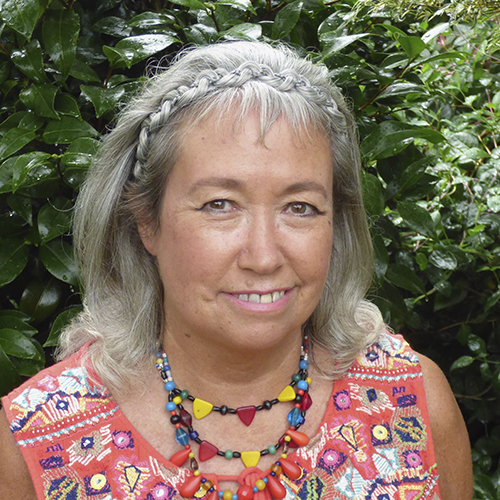 Pascale Petit was born in Paris and lives in Cornwall. She is of French, Welsh and Indian heritage. Her eighth collection, Tiger Girl (Bloodaxe, 2020), was shortlisted for the Forward Prize and for Wales Book of the Year, and a poem from the book won the Keats-Shelley Prize. Her seventh collection, Mama Amazonica (Bloodaxe, 2017), won the inaugural Laurel Prize for eco-poetry and the 2018 Royal Society of Literature’s Ondaatje Prize, was shortlisted for the Roehampton Prize, and was a Poetry Book Society Choice. Four previous collections were shortlisted for the T.S. Eliot Prize. Pascale’s work has been translated into a number of languages and she has travelled widely, particularly in the Amazon rainforest and India. Trained as a sculptor at the Royal College of Art, she spent the first part of her life as a visual artist and was a co-founding tutor of the Poetry School. In 2018 she was elected as a Royal Society of Literature Fellow.
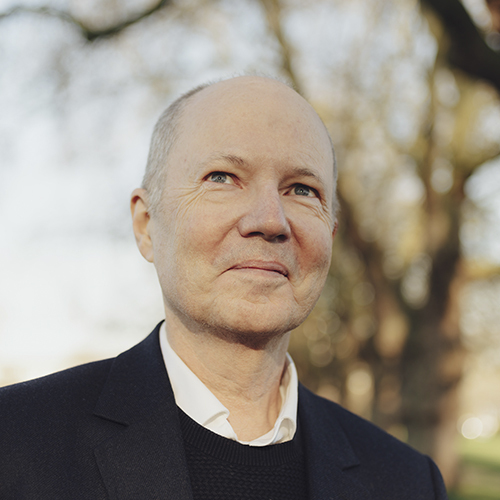 James Thornton has been named by New Statesman as one of ten people who could change the world. In 2021 he was a judge of the Laurel Prize for the world’s best collection of eco-poetry. His book Client Earth (Scribe, 2018) , co-authored with his husband, Martin Goodman, received the Judges’ Selection, Business Book of the Year Award 2018. James has twice won Leader of the Year at the Business Green Awards. He is Irish-American and is a Zen Buddhist priest. He is the founder and president of ClientEarth, a leading global not-for-profit law group. In 2016 he received a Financial Times Lifetime Achievement Award for his legal work.
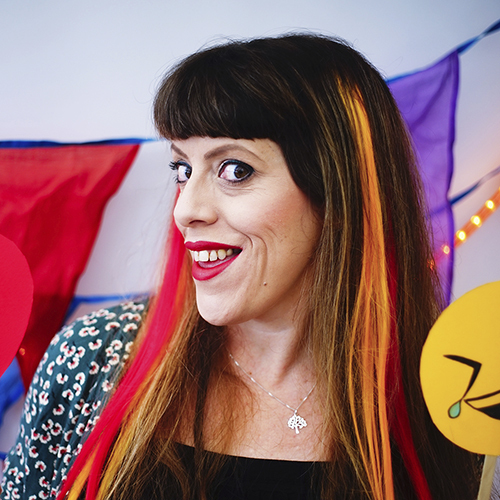 Liv Torc is a poet, artist and ideas weaver who plunders the vast caverns and dormant volcanoes of the human and planetary condition. A Radio 4 Slam winner, a former Bard of Exeter, host of the Rainbow Fish Speakeasy and The Hip Yak Poetry Shack, she runs the poetry stage at WOMAD, the Hip Yak Poetry School and the lockdown haiku and photography project Haiflu, featured on BBC Radio 4’s Today programme. In 2019 Liv’s climate change in the face of motherhood poem ‘The Human Emergency’ went viral, and she performed at Glastonbury Festival and represented Somerset for the BBC’s National Poetry Day celebrations. In 2020 she was chosen as one of four Siren Poets by Cape Farewell for a commission on climate change in the time of Covid and for the BBC’s Make a Difference campaign. In 2021 she co-founded Hot Poets, an Arts Council-funded project for COP26. Liv’s books include Show Me Life (2015) and The Human Emergency (2021), both published by Burning Eye.
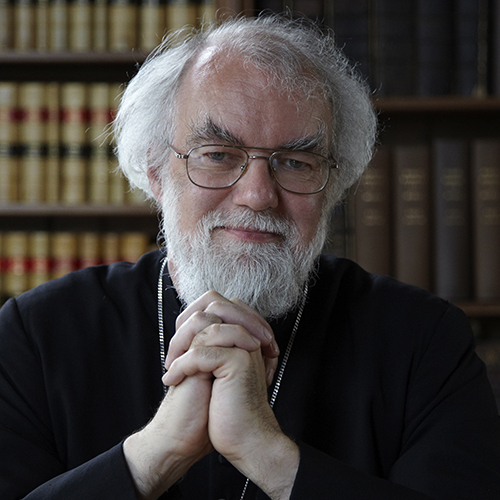 Rowan Williams was the 104th Archbishop of Canterbury (2002–12). He spent much of his earlier career as an academic at the Universities of Cambridge and Oxford successively. He stood down as Archbishop of Canterbury on 31 December 2012 and became Master of Magdalene College, Cambridge in January 2013. Carcanet reissued The Poems of Rowan Williams in April 2014. Rowan is a gifted poet, and his Collected Poems , published last year by Carcanet, resounds with lyricism and intelligence across a wide variety of topics from visual art to the legacy of the Aberfan disaster. In addition to including previously published poetry, it contains a significant body of new work, as well as his celebrated translations from Welsh, German and Russian poetry. The book reflects his wide range of interests and the variety of poetic mediums he has explored. His poems continue to respond vividly to the visual arts, and to the experience and imagination of ‘pre-modern’ cultures, as well as to the crises and tragedies of our time. Rowan continues to read with uncanny clarity the signs that are manifest in Nature and history. Imagination working through language brings us as close as we can get to our condition. “I dislike the idea of being a religious poet,” he says. “I would prefer to be a poet for whom religious things mattered intensely.”